
How Third-Party Inspection Ensures Product Quality and Compliance?
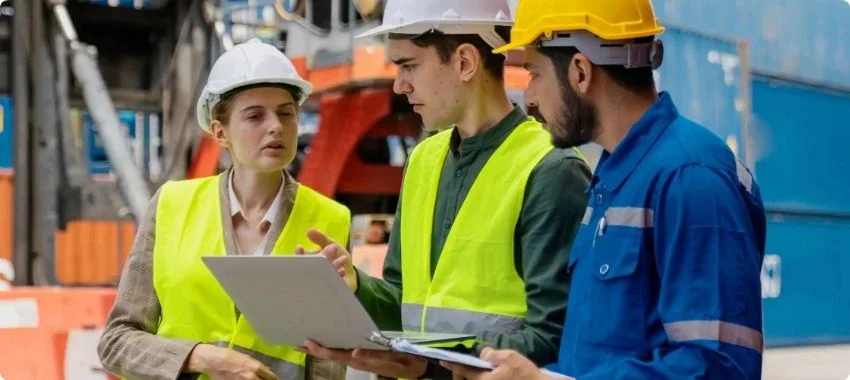
In today's competitive global market, businesses cannot afford to compromise on product quality or regulatory compliance. Customers expect reliable products, and governments enforce strict standards to ensure safety and performance. Failing to meet these expectations can lead to financial losses, legal issues, and damage to brand reputation. This is why third-party inspection has become an essential part of modern quality assurance strategies.
Third-party inspection is an independent evaluation carried out by a neutral organization to verify that products meet defined specifications, quality benchmarks, and regulatory requirements. Because it is conducted by an external body, it provides unbiased and trustworthy results that both buyers and sellers can rely on.
Understanding Third-Party Inspection
Third-party inspection involves hiring an independent inspection agency to assess products at different stages of production. These inspections ensure that goods meet agreed standards before they are delivered to customers or shipped internationally.
This approach is widely used in industries such as manufacturing, construction, food processing, oil and gas, and consumer goods. It plays a critical role in supply chain management, especially when dealing with overseas suppliers where direct supervision is limited.
Importance of Product Quality and Compliance
Product quality directly affects customer satisfaction, brand reputation, and business growth. Poor quality products can lead to returns, complaints, and loss of customer trust. On the other hand, compliance ensures that products meet legal and regulatory requirements, which is especially important in international trade.
Third-party inspection helps businesses maintain consistency and reliability by ensuring that every product meets the required standards. It also reduces the risk of penalties, shipment delays, and rejected goods.
How Third-Party Inspection Improves Product Quality
Third-party inspection agencies follow a structured process to evaluate product quality at every stage of production. This ensures that potential issues are identified early and corrected before they become major problems.
- Pre-production inspection: Before manufacturing begins, inspectors check raw materials, components, and supplier capabilities. This ensures that production starts with the right inputs and reduces the risk of defects later.
- During production inspection: At this stage, inspectors monitor the manufacturing process. They examine product samples, review production techniques, and verify quality control procedures. Early detection of issues helps prevent large-scale defects.
- Pre-shipment inspection: This is one of the most important stages. Inspectors evaluate finished products to ensure they meet specifications, packaging standards, and order quantities. This step minimizes the chances of defective products reaching customers.
- Final random inspection: A random selection of products is tested to ensure consistency across the entire batch. This method provides a reliable indication of overall product quality.
- Container loading supervision: Inspectors oversee the loading process to ensure that products are handled properly and shipped securely. This prevents damage during transportation and ensures accurate delivery.
Ensuring Compliance with Regulations
Compliance is a major concern for businesses operating in global markets. Different countries have specific regulations related to product safety, labeling, environmental impact, and quality standards.
Third-party inspection ensures that products meet these requirements by verifying documentation, certifications, and product specifications. This helps businesses avoid costly penalties and ensures smooth customs clearance.
Key Benefits of Third-Party Inspection
One of the biggest advantages of third-party inspection is its independence. Since the inspection is carried out by an external organization, the results are objective and unbiased. This builds trust between buyers and suppliers.
- Risk reduction: Identifying defects early in the production process helps prevent costly recalls and product failures.
- Supplier accountability: Encourages manufacturers to maintain high standards throughout production.
- Stronger brand reputation: Consistently delivering high-quality and compliant products increases customer confidence and strengthens long-term relationships.
- Smoother international trade: Ensures products meet global standards and requirements, reducing delays and simplifying the import and export process.
Industries That Depend on Third-Party Inspection
Many industries rely on third-party inspection to maintain quality and compliance. Manufacturing companies use it to ensure product consistency. Construction firms depend on it to verify materials and structural integrity. Food and agriculture businesses use it to meet safety standards. Oil and gas companies rely on it for equipment reliability and regulatory compliance.
Each industry has unique requirements, and third-party inspection helps businesses meet those expectations effectively.
Choosing the Right Inspection Partner
Selecting the right third-party inspection provider is crucial for achieving reliable results. Businesses should look for experienced inspectors with industry knowledge and proper certifications. A strong global presence and understanding of local regulations are also important.
Transparent reporting and clear communication are essential for making informed decisions. Modern inspection providers also use advanced tools and digital systems to improve accuracy and efficiency.
Role of Technology in Inspection
Technology is transforming the way inspections are conducted. Digital tools, real-time reporting, and data analytics are making the inspection process faster and more accurate. Businesses can now monitor quality remotely and receive instant updates on inspection results.
These advancements improve decision-making and provide better visibility across the supply chain.
Conclusion
Third-party inspection plays a vital role in ensuring product quality and compliance in today's global marketplace. By providing independent verification at every stage of production, it helps businesses reduce risks, maintain standards, and build trust with customers.
For manufacturers, exporters, and importers, investing in third-party inspection is not just a quality control measure. It is a strategic decision that supports long-term success, strengthens brand reputation, and ensures consistent delivery of high-quality products.
FAQ
What is a third-party inspection in simple terms?
Third-party inspection is an independent quality check performed by an external agency to ensure that products meet required standards, specifications, and regulations before delivery or shipment.
Why is third-party inspection important for businesses?
It helps businesses ensure product quality, avoid defects, comply with regulations, and reduce risks such as returns, recalls, or shipment rejections in international trade.
When should a third-party inspection be conducted?
It can be conducted at different stages, including before production, during manufacturing, and before shipment to ensure quality at every step.
How does third-party inspection ensure compliance?
Inspectors verify that products meet legal, safety, and industry standards by checking documentation, certifications, labeling, and product specifications.
Which industries need third-party inspection the most?
Industries such as manufacturing, construction, food processing, oil and gas, and consumer goods commonly rely on third-party inspection to maintain quality and compliance.
- ISO 9001:2015 vs ISO 9001:2026: What Is the Difference?
- Why Choose Green Quality Services in Qatar?
- Benefits of Integrated Management System
- Which Quality Control Courses in Qatar Will Help You Get Certified Fast?
- What Are the Top 5 Popular ISO Standards in Qatar for 2026?
- Top ISO Courses to Boost Your Career in 2026 (Complete Guide)
- ISO Certification vs CE Marking – Which One Do You Need?
- Is Food Safety Level 3 Worth It?
- Is Food Master Qatar Aligned with International ISO Food Safety Regulations?
- How to Choose the Right ISO Certification Body in Qatar?
- How Third-Party Inspection Ensures Product Quality
- How Manpower Supply in Qatar Supports Business Growth in 2026
- How IRCA Lead Auditor Training in Qatar Boosts Your Audit Skills?
- How Does Infinity Quality Services Qatar Support Qatar Vision 2030
- How Does HACCP Level 3 Improve Food Safety in Qatar?
- What Are the Best Facility Management Courses in Qatar and How Can They Grow Your Career?